
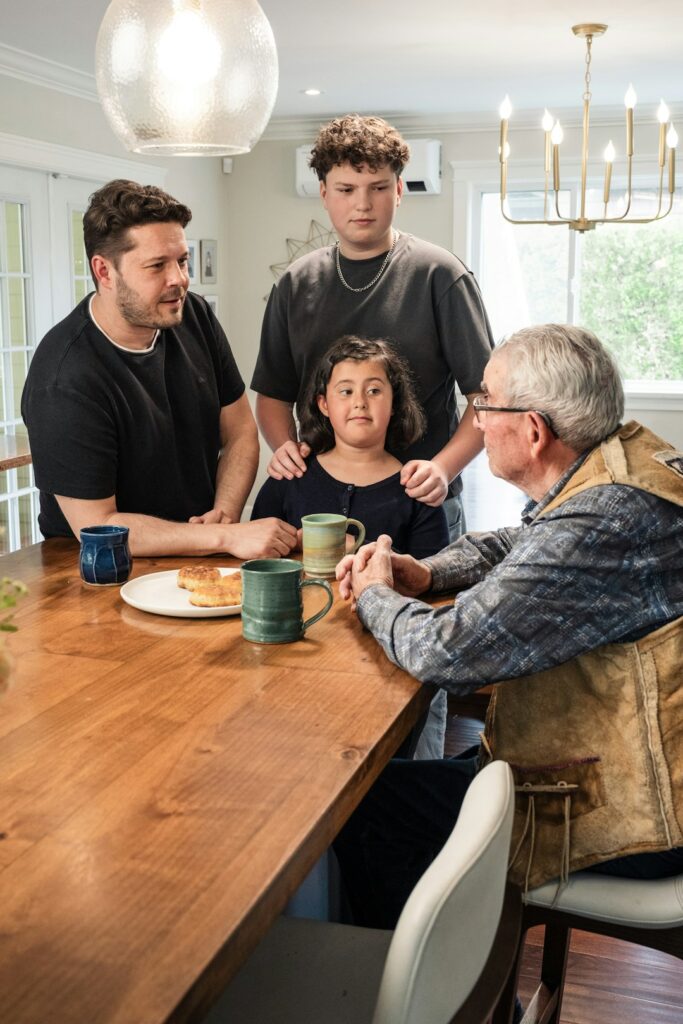
Talking with a parent, spouse, sibling, or other relative about assisted living can feel uncomfortable because the discussion often involves independence, health, money, safety, and family roles all at once. A productive conversation does not begin with a decision. It begins with listening, identifying concerns, and discussing what kind of support could make daily life safer and more manageable.
Why is this conversation so difficult?
Assisted living may sound to a family member like a loss of control or a sign that others believe they can no longer make decisions. Even when relatives have noticed missed medications, falls, neglected household tasks, or increasing isolation, the person involved may see those changes differently.
The conversation can also become emotionally charged because family members may disagree. One person may believe more help is urgently needed, while another may feel that home-based support is enough. Distance, work schedules, caregiving fatigue, and financial concerns can add pressure.
The goal is not to prove that someone is failing. The goal is to understand what is becoming difficult and whether the current living arrangement still supports the person’s health, preferences, and safety.
When should a family begin discussing assisted living?
Families do not need to wait for a crisis. Early conversations are usually easier because there is more time to compare options, understand costs, organize documents, and include the older adult in decisions.
Possible signs that a discussion is appropriate include:
- Frequent falls, near-falls, or difficulty moving safely around the home
- Missed medications or confusion about medical instructions
- Problems preparing meals, bathing, dressing, or managing personal care
- Unpaid bills, repeated scams, or difficulty handling household responsibilities
- Social isolation, anxiety, or long periods without meaningful contact
- Driving concerns or difficulty reaching essential services
- A home that has become difficult to maintain, especially during icy or snowy weather
- A primary caregiver who is exhausted or unable to provide consistent support
One concern by itself does not automatically mean assisted living is necessary. A pattern of changes matters more than a single mistake.
How should the first conversation begin?
Choose a calm time when there is no immediate emergency. Avoid starting the discussion after an argument, fall, missed appointment, or embarrassing incident.
Use observations rather than accusations. For example:
- “I noticed the steps were harder for you this winter. How have you been managing?”
- “You mentioned feeling tired after making meals. What part of the day is most difficult?”
- “Would you be willing to talk about different ways to make daily routines easier?”
- “What would help you feel more secure without giving up the things you value?”
Questions invite participation. Statements such as “You cannot live alone anymore” often cause defensiveness and can end the conversation before it begins.
Speak directly to the person whenever possible. Do not discuss them as though they are absent, even if other relatives are present. Respectful language reinforces that the older adult remains part of the decision.
What concerns should families discuss?
A useful conversation covers more than safety. Ask what the person wants to preserve and what has become burdensome.
Topics may include:
- Preferred daily routines and meal times
- Privacy and personal space
- Pets, hobbies, faith practices, and social activities
- Medication reminders and help with personal care
- Transportation needs
- Laundry, housekeeping, and maintenance
- Access to outdoor areas or familiar surroundings
- Whether a spouse or companion may remain nearby
- How family members can stay involved
For residents of Oil City, seasonal conditions may deserve special attention. Snow, ice, freezing temperatures, and shorter winter days can affect walking, driving, deliveries, heating, and access to appointments. A home that feels manageable in September may create greater risks in January. Discussing these practical details can make the conversation less personal and more focused on planning.
What if the family member refuses to discuss assisted living?
A refusal does not always mean the person will never consider it. It may reflect fear, confusion, grief, or a belief that the family has already made the decision.
Avoid arguing or repeating the same demand. Ask what specifically feels unacceptable. The concern may be about losing privacy, being separated from a spouse, spending savings, or living in an unfamiliar setting.
A smaller next step may be more acceptable, such as:
- Reviewing daily tasks together
- Creating a list of current safety concerns
- Visiting a setting only to gather information
- Discussing home modifications or additional support
- Agreeing to revisit the topic after a defined period
- Asking the person to describe what would make a move feel acceptable

If memory loss or impaired judgment is affecting decision-making, the family may need to review legal authority, advance directives, and healthcare preferences. Safety concerns involving wandering, abuse, severe self-neglect, dangerous driving, or an inability to obtain food or medication may require prompt involvement from appropriate medical, legal, or protective resources.
How can family members compare assisted living with staying at home?
The question is not simply whether the person can remain at home today. Families should ask whether the arrangement is reliable over time and during emergencies.
Compare the person’s needs with the available support:
- Who will help after a fall?
- Who checks whether medications were taken?
- How will meals, bathing, laundry, and transportation be handled?
- What happens if a family caregiver becomes ill?
- Can the home be safely heated and maintained?
- How quickly can help arrive?
- Is the person becoming more isolated?
In Pennsylvania, assisted living residences and personal care homes are distinct licensed settings with different rules and service arrangements. Families should ask what level of assistance is provided, how assessments are completed, what changes in care may cost, and what happens if needs become more complex. A written assessment and support plan should clearly describe the services the resident needs and how those services will be delivered.
What should families ask during a visit?
A visit should include practical questions, not just an inspection of the building. Ask how staff respond to falls, changes in behavior, missed meals, medication concerns, and emergencies. Find out whether residents can maintain personal routines and how families are included in care discussions.
Pay attention to everyday details:
- Do residents appear engaged or isolated?
- Are hallways, bathrooms, and outdoor areas easy to navigate?
- Are staff willing to answer questions clearly?
- Are schedules flexible enough for individual preferences?
- Is the environment quiet, confusing, or overly restrictive?
- Are fees and included services explained in writing?
- What circumstances could require a move to a different level of care?
Families should also ask about transportation during poor weather, visitor policies, communication with relatives, and how concerns or complaints are handled.
How can relatives stay united after the conversation?
Family members do not need identical opinions, but they should share accurate information and avoid making the older adult the referee. Choose one person to keep notes, organize questions, and track follow-up tasks. Include the older adult in discussions whenever legally and practically possible.
A written plan can reduce misunderstandings. It might identify current risks, preferred solutions, financial questions, emergency contacts, and a date to reassess the situation.
The most respectful approach treats assisted living as one possible tool rather than a punishment or final judgment. The right decision depends on the person’s needs, wishes, health, finances, and available support. A careful conversation gives families time to consider those factors before a crisis makes the decision for them.
